What Is Female Sterilization?
Female sterilization, commonly called tubal ligation, is a permanent method of contraception. It works by blocking, sealing, or cutting the fallopian tubes so that eggs cannot meet sperm, preventing pregnancy.
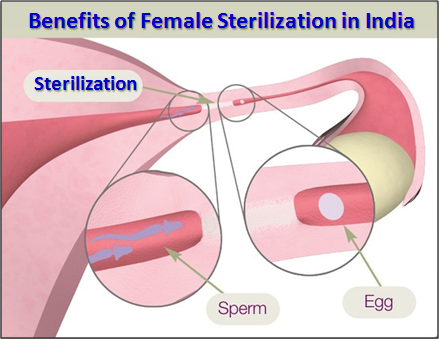
How Does It Work?
The fallopian tubes carry eggs from the ovaries to the uterus. By closing these tubes, sterilization stops the egg and sperm from meeting. It does not affect hormones, periods, or sexual function.
Methods of Female Sterilization
- Laparoscopic tubal ligation: Keyhole surgery to clip, cut, or seal the tubes.
- Mini-laparotomy: A small abdominal incision, often after childbirth.
- Tubal occlusion: Rings or clips placed on the tubes.
Effectiveness and Recovery
Female sterilization is more than 99% effective. Most procedures are done as day-care surgery, and women typically return to normal activity within a few days. It does not protect against sexually transmitted infections.
Is It Reversible?
Sterilization should be considered permanent. Reversal (tubal ligation reversal) is possible in some cases through microsurgery, but success is not guaranteed and depends on the method used and the length of healthy tube remaining.
Conclusion
Female sterilization is a safe, highly effective, permanent contraceptive option. If you are considering it - or a reversal - share your details with IndianMedGuru for expert guidance.